Phishing has been part of the cyber threat landscape for decades, long before ransomware became widespread and before most organisations had any structured approach to cybersecurity. It would be reasonable to expect that people would now be far more capable of spotting a phishing attempt. Yet the reality is that the traditional phishing email remains one of the most effective tools available to cyber criminals. Its persistence has little to do with technical brilliance and everything to do with human behaviour.
Phishing continues to work because it relies on familiarity. Most attacks mimic everyday communication patterns: a courier notification, an invoice from a supplier, a routine security alert, or a message from a well‑known platform. People are busy, and inboxes are crowded. When a message looks close enough to something the recipient expects to see, it often goes unquestioned. The attacker’s aim is not to produce a perfect imitation but one that aligns with a moment of distraction, urgency, or routine action.
It is also important to recognise that attackers do not need to be particularly sophisticated. They only need to be patient. A phishing campaign can cost almost nothing to run at scale, yet even a tiny fraction of responses can deliver a worthwhile return. Modern security tools do filter out many malicious emails, but no system is perfect. Ultimately, all it takes is one person interacting with the wrong link or attachment. That single action can give an attacker the foothold they need.
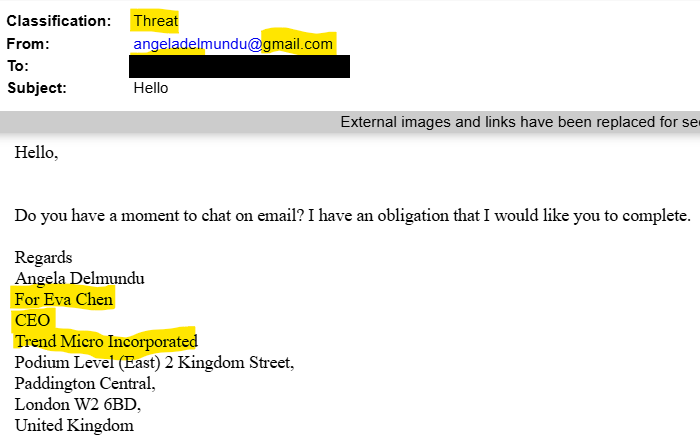
An example of a phishing email below:
Although the concept of phishing is old, contemporary phishing emails are far more polished than those of the past. Attackers frequently use clean, professional branding copied from legitimate organisations, AI‑generated text that reads naturally, and messages embedded within stolen email threads to make the communication appear genuine. They also hide malicious links behind common cloud‑based services, making them seem familiar and trustworthy. The delivery mechanism may feel old‑fashioned, but the techniques behind it have evolved significantly.
The continued success of phishing emails stems from human predictability. People tend to trust familiar brands. They respond quickly when a message appears authoritative. They rush when something feels urgent, and they often multitask while managing their inbox. This combination of trust, habit, and speed is exactly what attackers rely on. Cybersecurity technology has advanced rapidly, but human behaviour remains remarkably consistent, and attackers design their messages around these patterns.
Reducing phishing risk requires a return to fundamentals rather than dependence on any single solution. Regular, realistic cyber awareness training helps reinforce good habits. Creating a workplace culture where staff feel comfortable asking “Does this look right?” without judgement makes a noticeable difference. Layered security controls such as email filtering, multi‑factor authentication, and device protections provide an essential safety net. Most importantly, people should feel encouraged to report suspicious messages or mistakes promptly, without fear of blame.
Phishing has endured not because it is innovative, but because it is simple, scalable, and closely aligned with how people naturally behave online. As long as email remains a primary communication channel, phishing will remain a favoured tactic among cyber criminals. Understanding why it still works is the first step toward reducing its impact.